Celebrating the Soul of Sovereign India.
On the morning of January 26th, a familiar emotion sweeps across India. It is found in the chill of the winter air, the tricolor fluttering on rooftops, and the collective gaze of a billion people fixed on the Kartavya Path (formerly Rajpath).
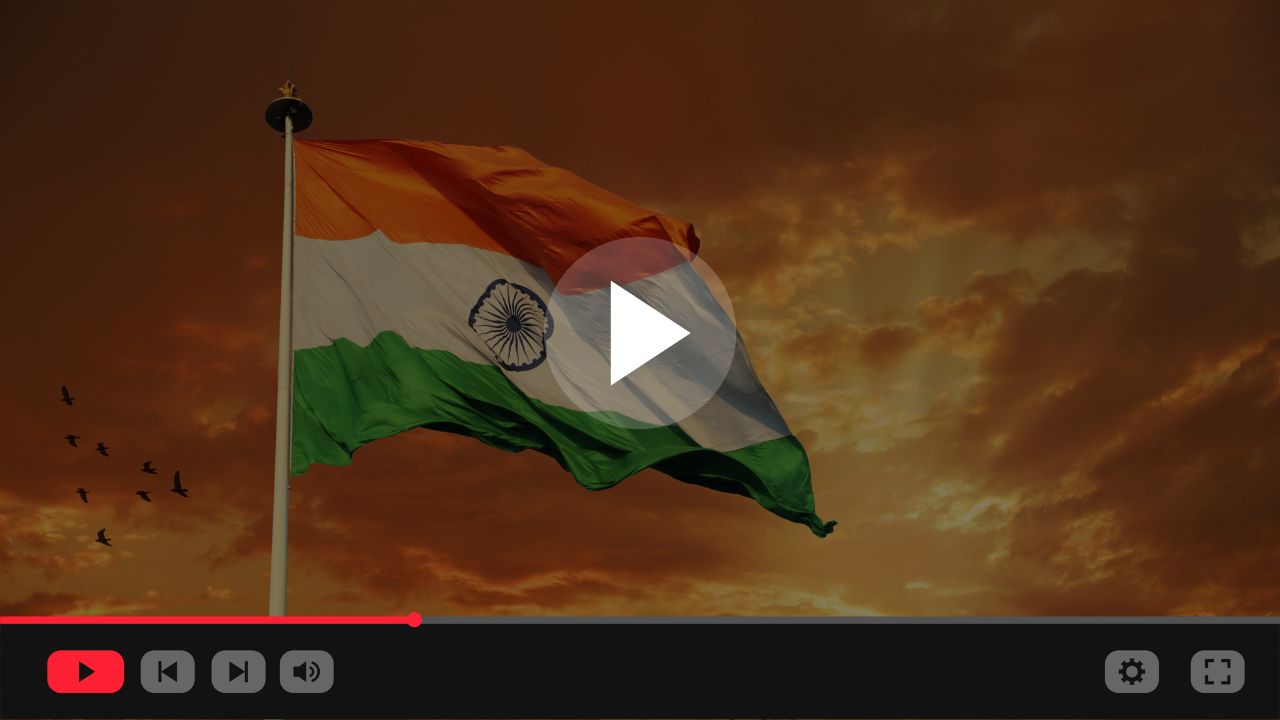
Republic Day is not just another holiday on the calendar. While August 15, 1947, gave us freedom from colonial rule, it was January 26, 1950, that gave us our identity. It was the day India ceased to be a British Dominion and became a Sovereign Democratic Republic.
As we celebrate the 77th Republic Day in 2026, let us look beyond the parade and understand the deeper significance of this historic day.
1. Why January 26th? The “Purna Swaraj” Connection
Many wonder why the Constituent Assembly waited two months after adopting the Constitution on November 26, 1949, to officially enforce it.
The answer lies in 1930. On January 26, 1930, the Indian National Congress proclaimed “Purna Swaraj” (Total Independence) from British rule. To honor that first bold declaration of freedom, the founding fathers chose January 26, 1950, as the day the Constitution of India would come into effect. It was a poetic reclamation of history.
2. The Greatest Book of Modern India
The star of Republic Day is not a person, but a document—The Constitution of India. Drafted by a committee led by Dr. B.R. Ambedkar, it is the longest written constitution of any sovereign country in the world.
It is more than legal text; it is a social contract. It guarantees that in this diverse land of thousands of languages, castes, and religions, every citizen is equal before the law. It promises Justice, Liberty, Equality, and Fraternity—values that hold our diverse fabric together.
3. The Spectacle on Kartavya Path
The Republic Day Parade is the ultimate display of India’s “Soft Power” and “Hard Power.”
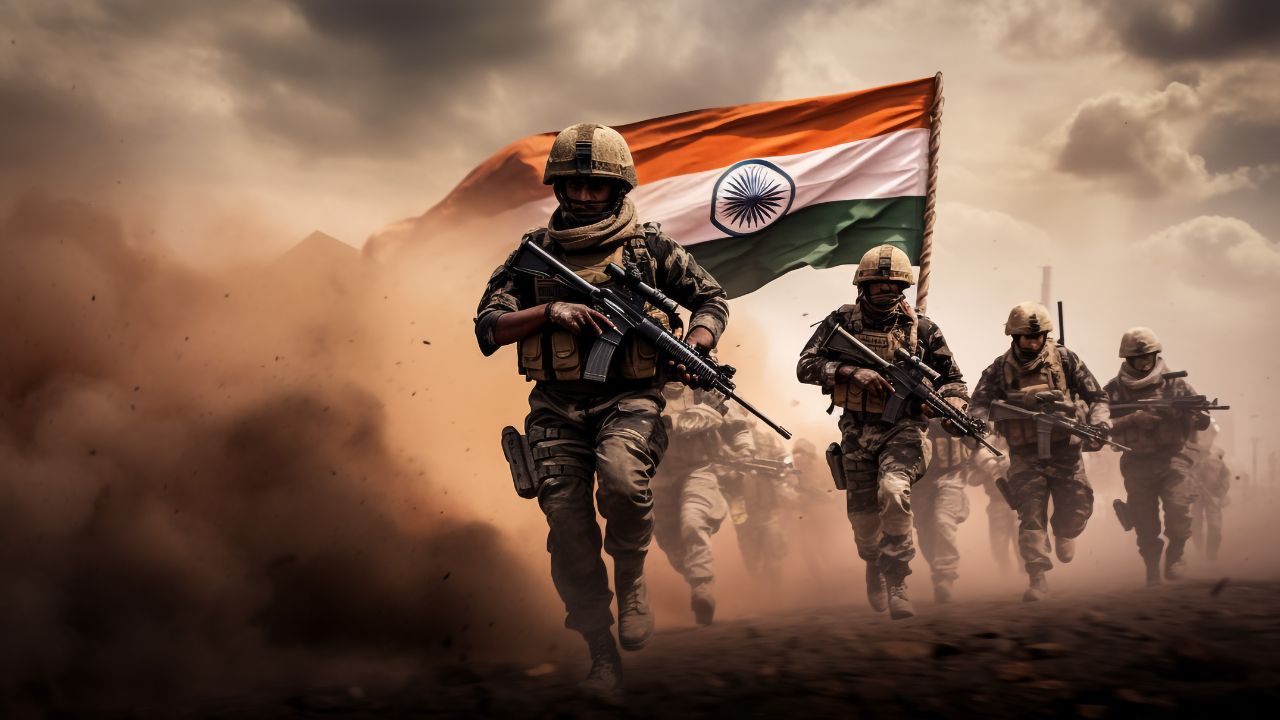
- Military Might: We see the roar of tanks, the precision of marching contingents, and the thunder of fighter jets in the flypast. It reassures us that our borders are safe.
- Cultural Kaleidoscrope: The Tableaux (Jhankis) from different states showcase the vibrant art, dance, and innovation of India. As a creative studio, we at Cinemagine find endless inspiration in these visual stories—from the tribal art of Chhattisgarh to the tech hubs of Karnataka.
- Nari Shakti: In recent years, the parade has heavily featured women leading contingents, symbolizing the rising power of Indian women in defense and space sectors.
4. India in 2026: A “Viksit Bharat” in the Making
Republic Day is also a time to assess our progress. In 2026, India is no longer just a “developing nation”; it is a digital superpower.
- Digital Infrastructure: From UPI to AI, India is leading the world in tech adoption.
- Global Voice: India stands tall on the global stage, advocating for peace and sustainability.
- The Creative Economy: With the rise of AI and digital content (something we are proud to be part of), Indian stories are traveling further than ever before.
5. The Duty of a Citizen
The Constitution gives us fundamental rights, but it also lists Fundamental Duties. Real patriotism isn’t just about waving the flag on one day. It is about keeping our cities clean, respecting fellow citizens, protecting public property, and striving for excellence in our chosen fields.
As we watch the Tricolor unfurl today, let us renew our pledge to build an India that is strong, inclusive, and innovative.
Jai Hind! Jai Bharat!