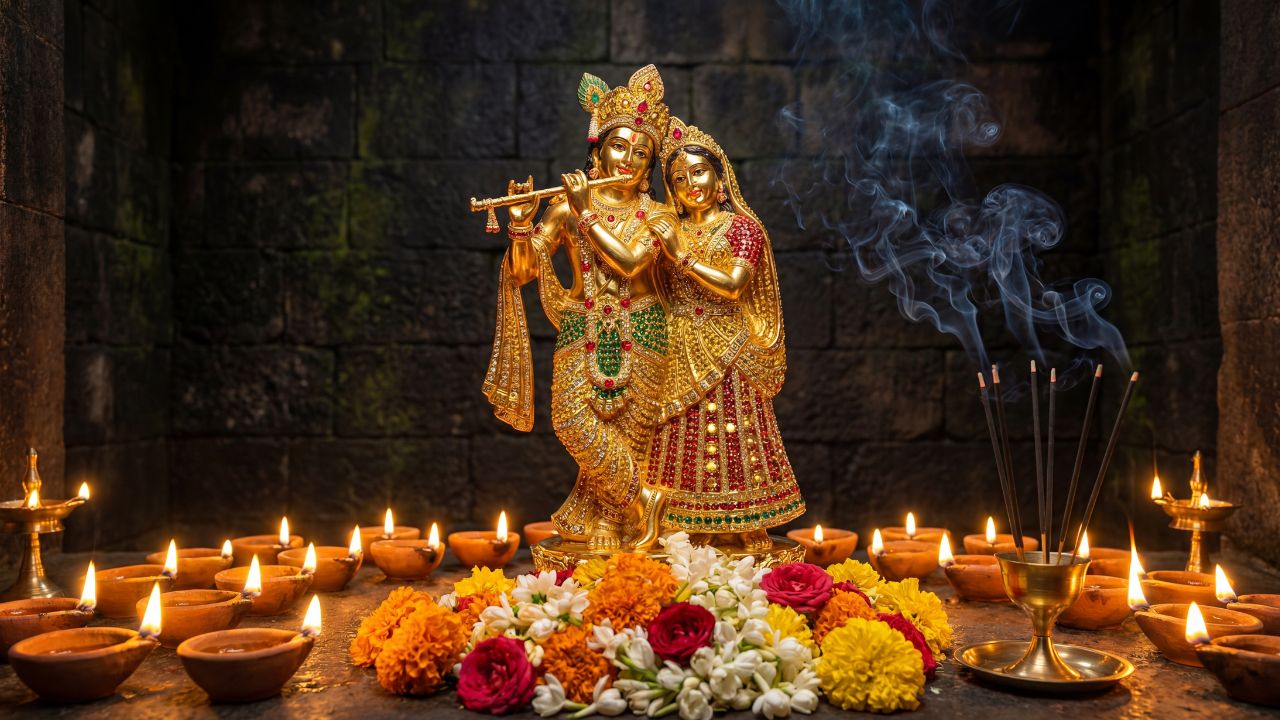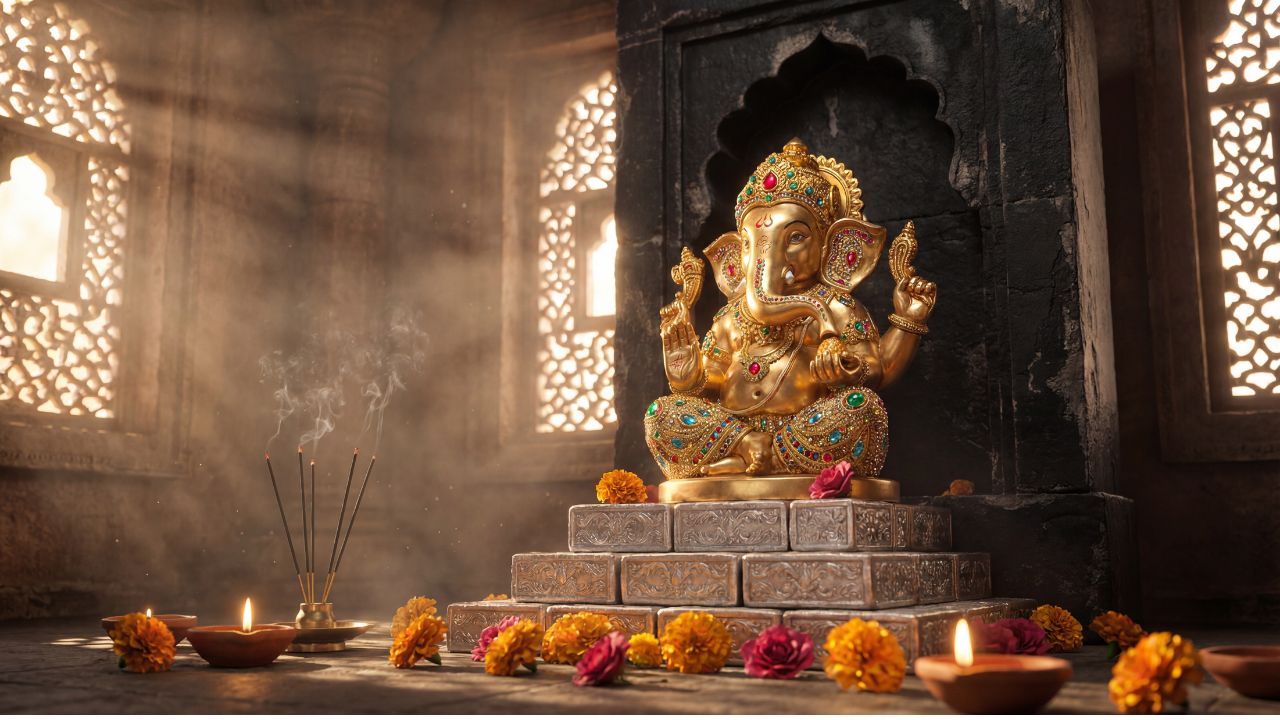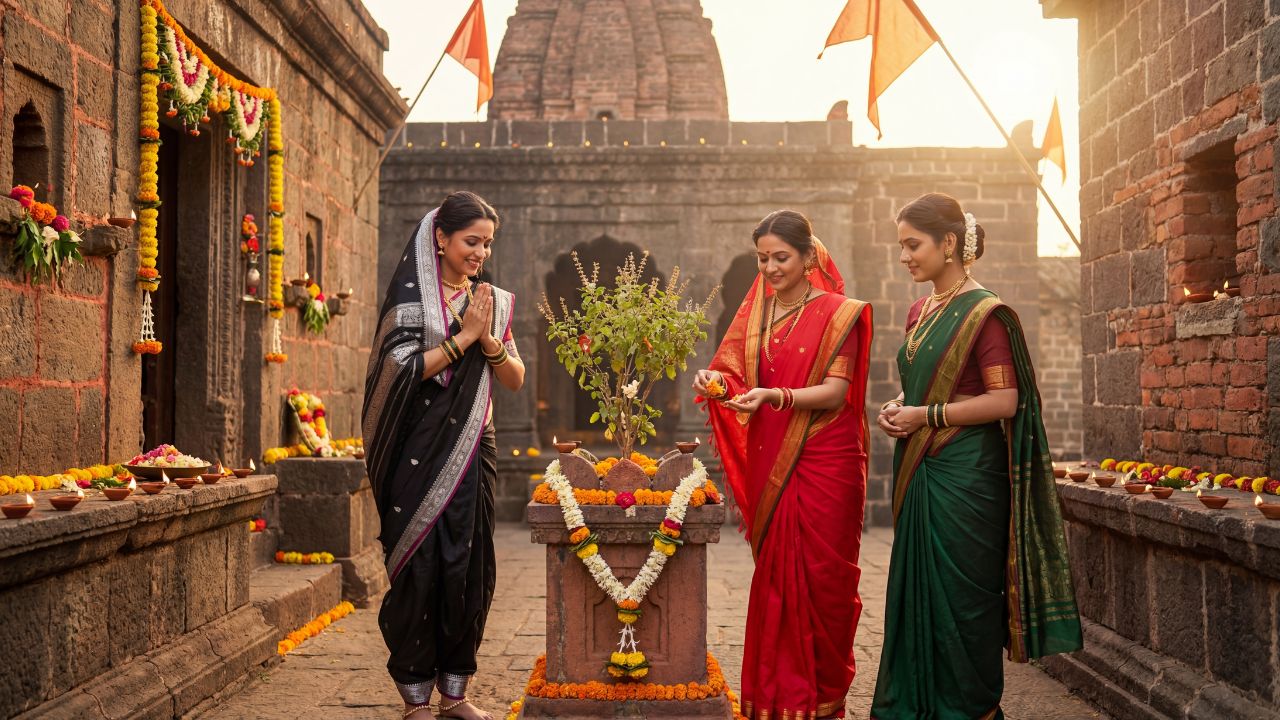
Makar Sankranti: When the Sun Embraces the North and Kites Paint the Sky
India is a land of festivals, but few are as unique as Makar Sankranti. While most Indian festivals follow the lunar calendar (changing dates every year), Makar Sankranti follows the solar cycle, falling almost always on January 14th or 15th.
It is more than just a holiday; it is a celestial event, a harvest celebration, and a spiritual renewal rolled into one. As the winter mist fades and the skies fill with colorful kites, let us dive deep into the significance of this radiant festival.

1. The Astronomical Significance: The Journey of Uttarayan
The word Makar refers to the zodiac sign Capricorn, and Sankranti means transition. On this day, the Sun God (Surya) enters the house of Capricorn.
From a scientific perspective, this marks the beginning of Uttarayan—the Sun’s northward journey. For months, the Northern Hemisphere has been tilted away from the Sun, giving us short days and cold winters. Makar Sankranti marks the turning point. From this day forward, the days become longer, the nights shorter, and the warmth of spring begins to set in. It is a celebration of light conquering darkness.
2. One Festival, Many Names
The beauty of Makar Sankranti lies in its diversity. While the astronomical event is the same, the celebrations wear different colors across India:
- Uttarayan (Gujarat & Maharashtra): The sky becomes a battlefield of colors as millions of kites are flown. The sound of “Kai Po Che!” echoes from rooftops.
- Pongal (Tamil Nadu): A four-day harvest festival where the first rice of the season is boiled with milk and jaggery as an offering to the Sun God.
- Lohri (Punjab): Celebrated a day prior, it involves bonfires, popcorn, and dancing to the beats of the Dhol to mark the end of winter.
- Magh Bihu (Assam): A festival of feasts, community eating, and building temporary huts called Meji from bamboo and thatch.
3. The Science of Sesame and Jaggery (Til-Gul)
In Maharashtra and Karnataka, people exchange multi-colored sweets made of sesame seeds (Til) and jaggery (Gul) and say:
“Til gul ghya, god god bola.” (Accept this sesame and jaggery, and speak sweet words.)
But why sesame and jaggery? Ancient Indian wisdom was deeply rooted in Ayurveda. In mid-January, the body is still vulnerable to the biting cold. Sesame is rich in oil and heat, while jaggery is a pure source of energy and iron. Eating them together boosts immunity and keeps the body warm. Thus, the tradition is a tasty way to protect health during the seasonal transition.
4. Why Do We Fly Kites?
Is kite flying just a sport? Not entirely. historically, kite flying was a way to expose the body to the morning sun. After a long winter, the human body needs Vitamin D to fight infections and skin diseases. By spending hours on the terrace flying kites in the gentle morning sun, people unknowingly soaked up the sun’s healing rays. It was a brilliant mix of fun and therapy!
5. The Spiritual Symbolism
Beyond the harvest and astronomy, Makar Sankranti holds deep spiritual meaning.
- The Holy Dip: Millions of devotees flock to the Ganga Sagar in West Bengal or the Triveni Sangam in Prayagraj for a holy dip. It is believed that water changes its molecular properties under the sun’s new alignment, purifying the mind and body.
- Bhisma’s Choice: In the epic Mahabharata, the grandsire Bhisma Pitamah lay on a bed of arrows, waiting for weeks. He refused to leave his body until the sun entered Uttarayan, believing that souls departing during this period attain liberation (Moksha).
6. A Message of Unity
In a world that is often divided, Makar Sankranti reminds us of the power of nature to unite us. Whether you call it Pongal, Bihu, or Sankranti, the emotion is the same—gratitude to the Sun for life, gratitude to the Earth for food, and gratitude to our neighbors for companionship.
At Cinemagine Studios, we strive to capture this very essence of Indian heritage through our modern AI-driven storytelling. Just as the Sun moves forward into a brighter phase, may your life also transition into a phase of success, health, and happiness.