The Remover of Obstacles and Symbol of Wisdom
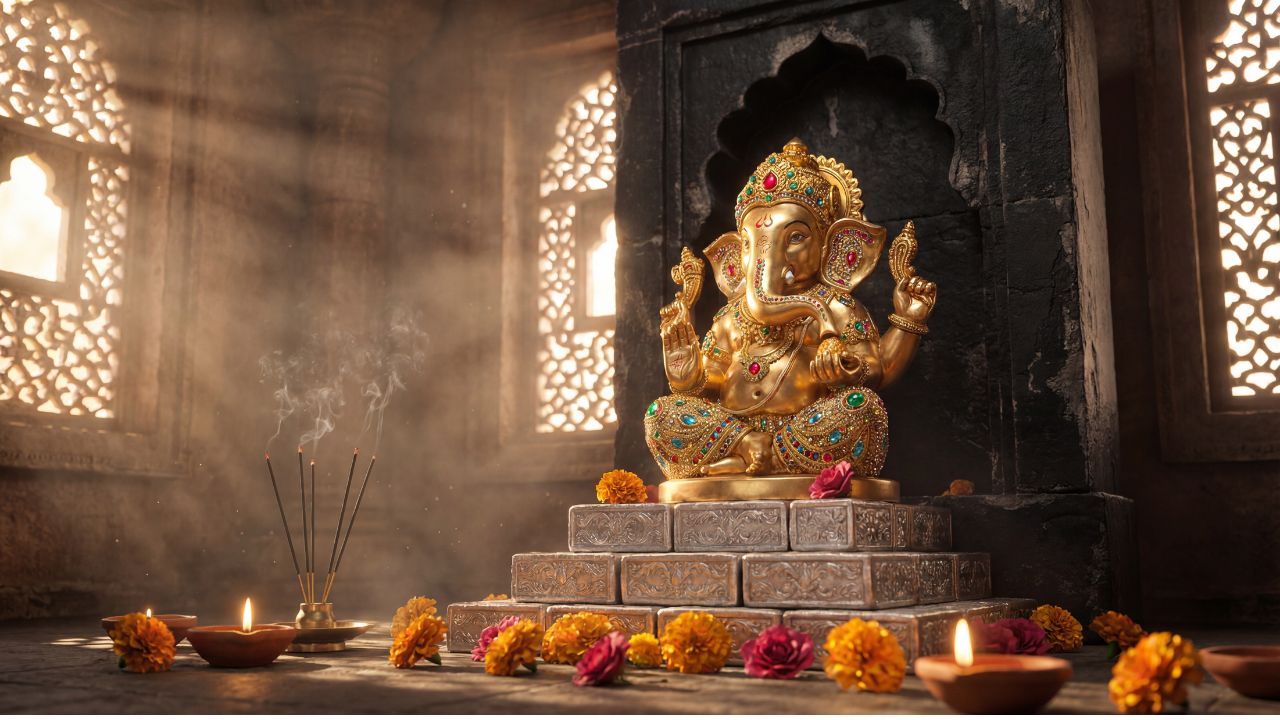
Lord Ganesh, also known as Ganesh or Ganpati, is one of the most worshipped and beloved deities in Hinduism. Recognized instantly by his elephant head and gentle form, Lord Ganesh is revered as the remover of obstacles, the god of wisdom, knowledge, prosperity, and new beginnings. His presence is considered essential at the start of any auspicious work, whether it is a business venture, marriage, journey, or religious ritual.
Across India and among Hindu communities worldwide, devotion to Lord Ganesh cuts across regions, languages, and traditions. His appeal lies not only in religious belief but also in the deep symbolism attached to his form and stories. This article explores who Lord Ganesh is, his origins, symbolism, significance, festivals, mantras, and why he continues to hold such an important place in modern life.
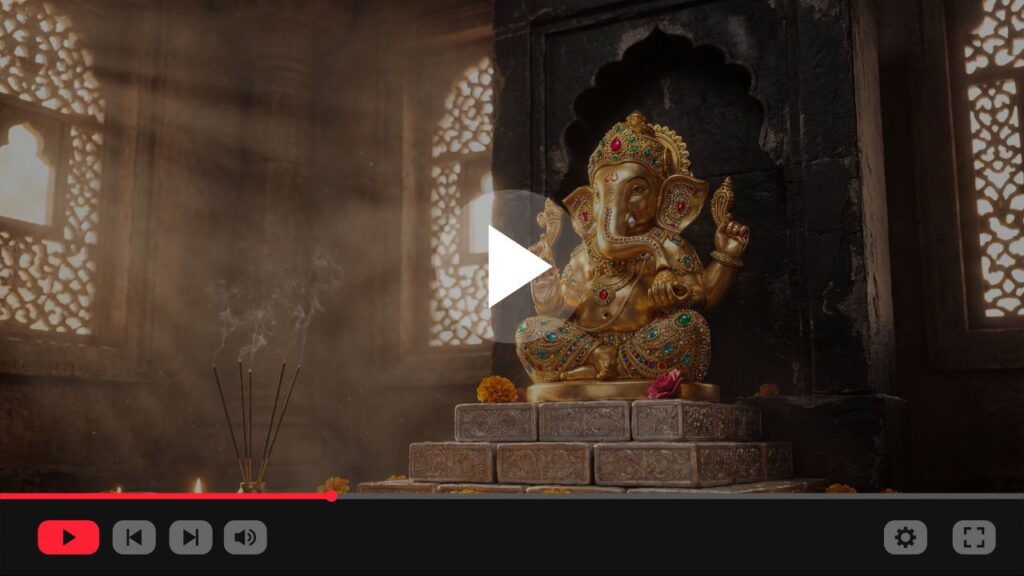
Who Is Lord Ganesh?
Lord Ganesh is the son of Lord Shiva and Goddess Parvati. He is commonly referred to as Ganpati, Vinayaka, Vighnaharta, and Ekadanta. Among these names, “Vighnaharta” means the remover of obstacles, while “Vinayaka” signifies the supreme leader.
According to Hindu belief, Lord Ganesh is the first deity to be worshipped before beginning any important task. This tradition comes from the belief that Ganesh clears the path of difficulties and ensures success and clarity of purpose.
His friendly appearance and childlike nature make him especially dear to devotees of all ages. Unlike many fierce forms of divinity, Lord Ganesh represents kindness, patience, and thoughtful action.
Birth Story of Lord Ganesh
There are several versions of the birth story of Lord Ganesh, but the most popular one comes from the Shiva Purana.
Goddess Parvati created Ganesh from sandalwood paste and breathed life into him. She asked him to guard the entrance while she bathed. When Lord Shiva returned and tried to enter, Ganesh, unaware of Shiva’s identity, stopped him. Enraged, Shiva severed Ganesh’s head.
Seeing Parvati’s grief, Shiva promised to restore Ganesh’s life. He instructed his followers to bring the head of the first living being they found facing north. That being was an elephant. Shiva placed the elephant head on Ganesh’s body and revived him. He then declared Ganesh as the leader of his ganas and blessed him with the honor of being worshipped before all gods.
This story highlights themes of devotion, obedience, loss, and divine grace.
Symbolism of Lord Ganesh’s Form
Every part of Lord Ganesh’s form carries deep meaning and spiritual symbolism.
Elephant Head
The elephant head represents wisdom, intelligence, and foresight. It reminds devotees to think big and act wisely.
Large Ears
Ganesh’s large ears symbolize the importance of listening more and speaking less. They encourage openness to learning and understanding.
Small Eyes
His small eyes suggest concentration and the ability to focus on goals without distraction.
Trunk
The trunk represents adaptability and efficiency. It can uproot a tree or pick up a blade of grass, teaching balance between strength and gentleness.
Big Belly
The large belly signifies the ability to digest both good and bad experiences in life with calmness.
One Tusk
The broken tusk, or Ekadanta, symbolizes sacrifice and the idea that perfection is not necessary for wisdom.
Mouse (Vahana)
Ganesh’s vehicle, the mouse, represents desire and ego. By riding it, Ganesh shows mastery over desires.
Importance of Lord Ganesh in Hindu Worship
Lord Ganesh holds a unique position in Hindu rituals and daily worship. He is invoked at the beginning of prayers, ceremonies, and even classical art performances. The phrase “Shree Ganeshaya Namah” is commonly recited to seek blessings for success and clarity.
In homes, offices, and shops, Ganesh idols or images are placed near entrances as symbols of protection and prosperity. Business owners especially worship Lord Ganesh to remove financial obstacles and ensure steady growth.
Students pray to Ganesh for knowledge and focus, while artists and writers seek his blessings for creativity.
Ganesh Chaturthi: The Grand Festival of Lord Ganesh
Ganesh Chaturthi is the most important festival dedicated to Lord Ganesh. Celebrated with great enthusiasm, especially in Maharashtra, this festival marks the birth of Ganesh.
Beautiful idols of Ganesh are installed in homes and public pandals. Devotees offer flowers, sweets, and prayers for up to ten days. The festival ends with Ganesh Visarjan, where the idols are immersed in water, symbolizing the cycle of creation and dissolution.
The chant “Ganpati Bappa Morya” fills the air, expressing devotion, joy, and a sense of community. In recent years, eco-friendly Ganesh idols have gained popularity to protect the environment.
Lord Ganesh and Modak
Modak is considered Lord Ganesh’s favourite sweet. It is a dumpling made of rice flour, jaggery, and coconut. Offering Modak to Ganesh symbolizes the sweetness of spiritual knowledge and the reward of sincere devotion.
During Ganesh Chaturthi, modaks are prepared in large numbers and offered as prasad. The phrase “Ekvis Modak” refers to the traditional offering of 21 modaks to Ganesh.
Powerful Mantras of Lord Ganesh
Chanting Ganesh mantras is believed to remove negativity and obstacles. Some of the most popular and powerful mantras include:
- Om Gan Ganapataye Namah – for removing obstacles and attracting success
- Vakratunda Mahakaya Mantra – for protection and smooth progress
- Ganesh Gayatri Mantra – for wisdom and clarity of thought
Regular chanting with faith and focus is said to bring peace, confidence, and positive energy.
Lord Ganesh in Modern Life
Beyond religious worship, Lord Ganesh has become a cultural and spiritual symbol in modern life. His image appears in art, tattoos, home décor, and meditation spaces. People connect with Ganesh as a reminder to slow down, think clearly, and face challenges calmly.
In stressful times, Ganesh represents hope and reassurance. His teachings encourage balance, patience, and thoughtful decision-making, qualities that are especially relevant in today’s fast-paced world.
Why Lord Ganesh Is Universally Loved
Lord Ganesh’s popularity goes beyond religion. His form is approachable, his stories are relatable, and his lessons are practical. He teaches that obstacles are not meant to stop us but to help us grow wiser and stronger.
Whether worshipped as a god or admired as a symbol of wisdom and positivity, Lord Ganesh continues to inspire millions around the world.
Lord Ganesh stands as a powerful symbol of wisdom, new beginnings, and obstacle removal. From ancient scriptures to modern homes, his presence remains deeply rooted in faith and culture. By understanding the meaning behind his form, stories, and worship, devotees find guidance for both spiritual and everyday life.
Invoking Lord Ganesh is not just a ritual. It is a reminder to approach life with intelligence, humility, and balance. In that sense, Ganesh is not only a deity to be worshipped but also a guide for living well.